
abhaypv.in

Uncategorized

How Digital Marketing Can Boost Your Brand Visibility Online

How Digital Marketing Can Boost Your Brand Visibility Online In today’s digital-first world, brand visibility is one of the most important factors for business success. No matter how great your product or service is, it won’t generate results if people can’t find or recognize your brand online. With billions of users browsing the internet daily, digital marketing has become the most effective way to increase brand awareness and reach your target audience. This article explores how digital marketing can significantly boost your brand visibility online and why it is essential for businesses of all sizes. What is Brand Visibility? Brand visibility refers to how easily your brand can be found and recognized by your target audience across digital platforms. It includes everything from appearing in search engine results to being seen on social media feeds, websites, emails, and online advertisements. High brand visibility means: Digital marketing plays a key role in making your brand visible in the right places at the right time. Why Brand Visibility Matters Before diving into strategies, it’s important to understand why brand visibility is crucial: Without visibility, even the best businesses struggle to grow. 1. Search Engine Optimization (SEO) Improves Discoverability Search Engine Optimization (SEO) is one of the most effective ways to improve brand visibility. When users search for products or services related to your business, SEO helps your website appear in search engine results. By optimizing your website with: You increase your chances of ranking higher on search engines like Google. Higher rankings mean: SEO is a long-term strategy, but it provides consistent visibility over time. 2. Content Marketing Builds Authority Content marketing is all about creating valuable and informative content that attracts your audience. Examples include: When you consistently publish helpful content, your audience begins to see your brand as an expert in your field. This leads to: High-quality content also improves SEO, making your brand easier to find. 3. Social Media Expands Your Reach Social media platforms are essential for increasing brand visibility. With billions of users on platforms like Instagram, Facebook, LinkedIn, and Twitter, businesses can reach a massive audience. Benefits of social media marketing: By posting regularly and engaging with your audience, your brand stays visible and relevant. Using features like: can further boost your reach and engagement. 4. Paid Advertising Delivers Instant Exposure While organic strategies take time, paid advertising can deliver immediate visibility. Platforms like: allow you to target specific audiences based on: Paid campaigns ensure your brand appears in front of the right people at the right time, increasing visibility quickly. 5. Email Marketing Keeps Your Brand Top-of-Mind Email marketing is a powerful way to maintain visibility among your audience. By sending: you keep your brand in front of your customers regularly. Unlike social media, where visibility depends on algorithms, email allows direct communication with your audience. This helps: 6. Influencer Marketing Builds Trust and Awareness Influencer marketing involves partnering with individuals who have a strong online presence and loyal followers. When influencers promote your brand: Even micro-influencers can generate significant results due to their highly engaged audiences. 7. Video Marketing Captures Attention Video content is one of the most engaging forms of digital marketing. It captures attention quickly and communicates messages effectively. Platforms like YouTube, Instagram, and TikTok make it easy to share video content. Benefits of video marketing: Videos help your brand stand out and remain memorable. 8. Consistent Branding Strengthens Recognition Consistency is key to building brand visibility. This includes: When your branding is consistent across all platforms, it becomes easier for people to recognize your business. Consistency builds: 9. Mobile Optimization Enhances Accessibility Most users access the internet through mobile devices. If your website is not mobile-friendly, you may lose a large portion of your audience. A mobile-optimized website: This improves both visibility and engagement. 10. Analytics Help You Improve Visibility Digital marketing provides measurable results, allowing you to track and improve your performance. Using analytics tools, you can understand: This data helps you refine your approach and maximize visibility. The Role of Personalization in Brand Visibility Personalization is becoming increasingly important in digital marketing. By tailoring content and messages to individual users, businesses can: Personalized marketing makes your brand more relevant and memorable. Building a Strong Online Presence To boost brand visibility, you need a strong online presence. This includes: Your online presence should reflect your brand’s identity and values. Common Mistakes to Avoid While digital marketing is powerful, certain mistakes can limit your visibility: Avoiding these mistakes ensures better results. Future Trends in Digital Marketing To stay ahead, businesses must adapt to new trends: Staying updated helps maintain and grow brand visibility. Conclusion Digital marketing is one of the most effective ways to boost your brand visibility online. By combining strategies like SEO, content marketing, social media, paid advertising, and email marketing, businesses can reach a wider audience and build a strong online presence. The key to success lies in consistency, creativity, and understanding your audience. Digital marketing is not a one-time effort—it’s an ongoing process that requires continuous improvement. When done correctly, it not only increases visibility but also builds trust, strengthens relationships, and drives long-term growth. Start implementing these strategies today, and watch your brand become more visible, recognizable, and successful in the digital world.

How Digital Marketing Can Boost Your Brand Visibility Online Read More »

best freelance digital marketing strategist in calicut

10 Proven Digital Marketing Tips to Increase Website Traffic

10 Proven Digital Marketing Tips to Increase Website Traffic In today’s competitive online landscape, simply having a website is not enough. Millions of websites compete for attention every day, making it challenging to stand out and attract visitors. Whether you are running a small business, a blog, or an e-commerce store, increasing website traffic is essential for growth, visibility, and revenue. The good news is that with the right digital marketing strategies, you can consistently drive high-quality traffic to your website. In this article, we’ll explore 10 proven digital marketing tips that can help you increase your website traffic effectively. 1. Optimize Your Website for Search Engines (SEO) Search Engine Optimization (SEO) is one of the most powerful ways to drive organic traffic to your website. When your site ranks higher on search engines, more people can find your content. Start with keyword research to understand what your audience is searching for. Use those keywords naturally in your: Also, focus on technical SEO by improving: SEO takes time, but it delivers long-term, sustainable traffic without ongoing costs. 2. Create High-Quality and Valuable Content Content is the backbone of digital marketing. If your content provides real value, users are more likely to visit, stay, and share your website. Focus on creating: Your content should solve problems, answer questions, or entertain your audience. The more helpful your content is, the more traffic you’ll attract. Consistency is key—publish content regularly to keep your audience engaged and improve search rankings. 3. Leverage Social Media Platforms Social media is a powerful channel to drive traffic to your website. Platforms like Instagram, Facebook, LinkedIn, and Twitter allow you to reach a large audience quickly. To maximize results: You can also join groups and communities related to your niche to share your content and connect with potential visitors. 4. Invest in Paid Advertising (PPC) If you want faster results, paid advertising is a great option. Pay-Per-Click (PPC) campaigns can drive targeted traffic to your website almost instantly. Popular platforms include: With PPC, you can: While it requires investment, PPC can deliver high returns when managed correctly. 5. Use Email Marketing Effectively Email marketing remains one of the most effective ways to drive repeat traffic. By building an email list, you can bring users back to your website again and again. Ways to use email marketing: Make sure your emails are engaging and personalized. A strong subject line can significantly improve open rates and traffic. 6. Optimize for Mobile Users A large portion of web traffic comes from mobile devices. If your website is not mobile-friendly, you may lose a significant number of visitors. Ensure that your website: Google also prioritizes mobile-friendly websites in search rankings, making this an essential factor for traffic growth. 7. Collaborate with Influencers and Bloggers Partnering with influencers or bloggers in your niche can help you reach a wider audience. They already have established trust with their followers, which can drive traffic to your website. Collaboration ideas: Choose influencers who align with your brand and target audience for the best results. 8. Utilize Video Marketing Video content is highly engaging and can drive significant traffic. Platforms like YouTube and Instagram Reels are excellent for promoting your website. Tips for video marketing: Videos can capture attention quickly and encourage viewers to visit your site for more information. 9. Focus on Internal Linking Internal linking helps users navigate your website and discover more content. It also improves SEO by helping search engines understand your site structure. Best practices: This strategy keeps visitors on your site longer, increasing engagement and page views. 10. Analyze Performance and Improve Continuously To grow your website traffic, you need to understand what works and what doesn’t. Use analytics tools to track performance and make data-driven decisions. Key metrics to monitor: Based on the data, refine your strategies to improve results over time. Bonus Tips for Faster Growth In addition to the above strategies, here are a few extra tips to boost your website traffic: Common Mistakes to Avoid Avoid these common mistakes that can limit your traffic growth: A balanced and consistent approach is key to success. Conclusion Increasing website traffic is not about using one single strategy—it’s about combining multiple digital marketing techniques effectively. From SEO and content creation to social media and paid ads, each strategy plays a crucial role in driving visitors to your website. The most important thing is consistency. Digital marketing takes time, effort, and continuous improvement. By implementing these 10 proven tips, you can steadily grow your website traffic and achieve your business goals. Start small, experiment with different strategies, and focus on delivering value to your audience. Over time, your efforts will translate into increased visibility, engagement, and success.

10 Proven Digital Marketing Tips to Increase Website Traffic Read More »

The Ultimate Guide to Digital Marketing for Beginners

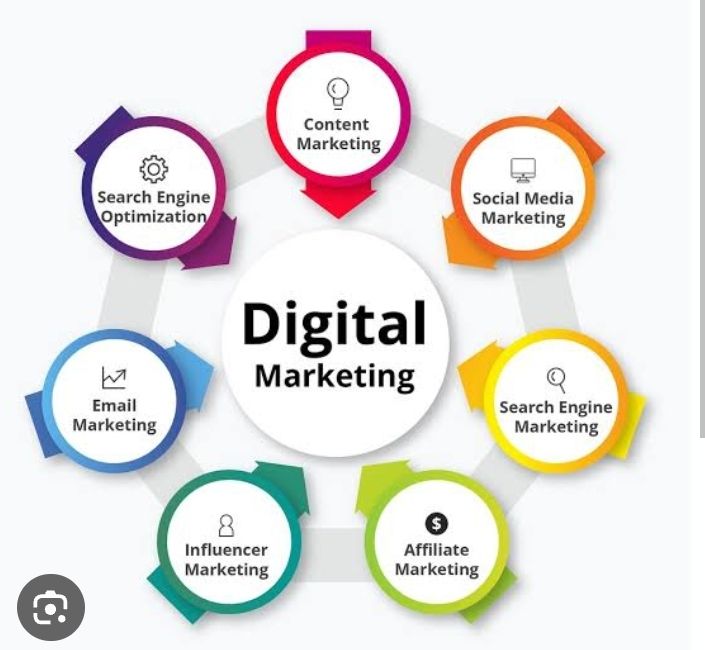
The Ultimate Guide to Digital Marketing for Beginners Digital marketing has become one of the most powerful tools for businesses to grow, connect with customers, and build a strong brand presence. Whether you are a student, entrepreneur, or business owner, understanding digital marketing is essential in today’s online-driven world. This ultimate guide will help beginners understand what digital marketing is, why it matters, and how to get started step by step. What is Digital Marketing? Digital marketing refers to all marketing efforts that use the internet or electronic devices to promote products and services. Unlike traditional marketing (TV, radio, newspapers), digital marketing allows businesses to reach their audience online through various channels. These channels include: The main goal of digital marketing is to connect with the right audience at the right time using the right message. Why is Digital Marketing Important? Digital marketing is important because most people spend a significant amount of time online. Businesses that are not visible online risk losing customers to competitors. Here are some key benefits: For beginners, digital marketing provides an opportunity to start small and scale as you grow. Types of Digital Marketing Understanding the different types of digital marketing is the first step in building a strong foundation. 1. Search Engine Optimization (SEO) SEO is the process of optimizing your website so it appears higher in search engine results. When people search for products or services, your website should be easy to find. Key SEO elements: SEO is a long-term strategy but provides consistent and free traffic. 2. Search Engine Marketing (SEM) SEM involves paid advertising on search engines. The most common example is Google Ads. Benefits of SEM: It is ideal for beginners who want quick results while building organic traffic. 3. Social Media Marketing Social media platforms like Instagram, Facebook, LinkedIn, and Twitter help businesses connect with their audience. Key strategies: Social media is excellent for building brand awareness and community. 4. Content Marketing Content marketing focuses on creating valuable and informative content to attract and engage users. Types of content: Good content builds trust and positions your brand as an expert. 5. Email Marketing Email marketing is one of the most effective ways to communicate with your audience directly. You can use email to: A well-planned email campaign can deliver high returns with minimal cost. 6. Affiliate Marketing Affiliate marketing involves promoting other people’s products and earning a commission for each sale made through your referral link. It is a great option for beginners who want to start earning online without creating their own product. 7. Influencer Marketing Influencer marketing involves collaborating with individuals who have a strong online following. Benefits: Even small influencers (micro-influencers) can deliver great results. How to Get Started with Digital Marketing Starting digital marketing may seem overwhelming, but breaking it into steps makes it easier. Step 1: Define Your Goals Ask yourself: Clear goals will guide your strategy. Step 2: Identify Your Target Audience Understanding your audience is crucial. Consider: This helps you create relevant and engaging content. Step 3: Build Your Online Presence Start with: Your online presence is your digital identity. Step 4: Create Valuable Content Content is the heart of digital marketing. Focus on: Consistency is key. Step 5: Choose the Right Channels You don’t need to be everywhere. Focus on platforms where your audience spends time. For example: Step 6: Use SEO and Paid Ads Combine: This balanced approach ensures steady progress. Step 7: Analyze and Improve Use tools like: Track performance and adjust your strategy accordingly. Essential Digital Marketing Tools for Beginners Using the right tools can make your work easier and more effective. Some popular tools include: Start with free tools and upgrade as needed. Common Mistakes Beginners Should Avoid Many beginners make similar mistakes. Avoiding these can save time and effort. Digital marketing requires patience and continuous learning. Latest Trends Beginners Should Know Digital marketing is always evolving. Staying updated helps you stay competitive. Key trends include: Adapting to trends early can give you an advantage. Tips for Success in Digital Marketing Here are some practical tips for beginners: Success in digital marketing does not happen overnight, but consistent effort leads to long-term results. Career Opportunities in Digital Marketing Digital marketing offers a wide range of career options, such as: With the growing demand for digital skills, this field offers excellent career growth opportunities. Conclusion Digital marketing is an essential skill in today’s digital world. For beginners, the key is to start simple, learn continuously, and stay consistent. By understanding the basics, choosing the right strategies, and using the right tools, anyone can build a successful digital marketing presence. Remember, digital marketing is not just about selling—it’s about creating value, building trust, and connecting with your audience. Start today, stay consistent, and watch your digital journey grow

The Ultimate Guide to Digital Marketing for Beginners Read More »

Top Digital Marketing Strategies to Grow Your Business in 2026

Digital marketing in 2026 is no longer about simply having an online presence—it’s about building intelligent, data-driven systems that deliver personalized, seamless, and high-converting customer experiences. With rapid advancements in artificial intelligence, shifting consumer behavior, and evolving digital platforms, businesses must rethink their marketing strategies to stay competitive. In this article, we explore the most effective digital marketing strategies that will help businesses grow in 2026 and beyond. 1. AI-Powered Marketing: The New Growth Engine Artificial Intelligence (AI) has become the backbone of modern digital marketing. In 2026, AI is not just a tool—it is the operating system behind marketing strategies, helping businesses automate processes, analyze customer behavior, and optimize campaigns in real time. AI enables marketers to: One of the most powerful aspects of AI is hyper-personalization, where businesses can target individuals rather than broad audiences. This level of personalization increases engagement, improves customer satisfaction, and boosts conversions. To leverage AI effectively, businesses should invest in: 2. Conversational Search & AI SEO (AEO) Search behavior has dramatically evolved. Users are no longer typing short keywords—they are asking full questions using voice or conversational queries. This shift has given rise to Answer Engine Optimization (AEO), where businesses optimize content to appear in AI-generated answers instead of traditional search results. Key tactics include: AI-driven search results often lead to zero-click searches, where users get answers without visiting websites.However, businesses that appear in these results gain stronger brand visibility and higher-intent traffic. 3. Content Ecosystems Over Single Platforms In 2026, content is no longer about publishing blogs or social posts in isolation. Businesses must build content ecosystems that connect multiple platforms and formats. This includes: The goal is to guide customers through the entire journey—from awareness to purchase—using interconnected content. Instead of focusing on keywords alone, businesses must focus on topics, intent, and user experience. 4. Short-Form Video Dominance Short-form video continues to dominate digital marketing in 2026. Platforms like Instagram Reels, YouTube Shorts, and TikTok are not just entertainment channels—they are powerful discovery engines. Video content helps businesses: Additionally, video commerce is becoming a core revenue channel, where users can discover and purchase products directly through videos. To succeed with video marketing: 5. Social Media as Search Engines Social media platforms are now functioning as search engines, especially among younger audiences. Users search for products, services, and recommendations directly on platforms like Instagram and TikTok. This means businesses must: Brands that ignore social search risk losing a large portion of their audience. 6. Community-Driven Marketing In 2026, successful brands are not just building audiences—they are building communities. Consumers want to feel connected to brands, not just buy from them. Communities create: Community-driven marketing includes: Authenticity plays a major role here. Businesses that communicate transparently and genuinely will outperform those relying on aggressive advertising. 7. Creator & Influencer Collaboration (Co-Creation) Influencer marketing has evolved into co-creation. Instead of paying influencers for promotions, brands now collaborate with creators to develop products, campaigns, and content. This approach offers: Creators are becoming strategic partners rather than just promotional channels. Businesses should focus on: 8. Privacy-First Marketing & First-Party Data With increasing data privacy regulations and the decline of third-party cookies, businesses must adopt privacy-first marketing strategies. This involves: Privacy is no longer a limitation—it is a competitive advantage. Companies that respect user data and provide value in exchange will gain stronger customer relationships. 9. Omnichannel Marketing Experience Customers in 2026 interact with brands across multiple platforms—websites, social media, email, ads, and messaging apps. An omnichannel strategy ensures a seamless and consistent experience across all these touchpoints. Key benefits include: To implement omnichannel marketing: 10. Personalization at Scale Personalization is no longer optional—it is expected. Customers want tailored experiences that match their interests and needs. Businesses can personalize: AI plays a crucial role in enabling personalization at scale by analyzing user behavior and delivering relevant content instantly. 11. Immersive Technologies (AR & Visual Discovery) Augmented Reality (AR) and immersive experiences are transforming how customers interact with brands. These technologies allow users to: Visual search is also gaining popularity, where users search using images instead of text. This enhances user experience and reduces decision-making time. 12. Data-Driven Decision Making In 2026, successful marketing is driven by data, not assumptions. Businesses must focus on: Traditional attribution models are becoming less reliable, so companies must adopt advanced measurement techniques to understand what works. 13. High-Quality, Authentic Content With the rise of AI-generated content, quality and authenticity have become key differentiators. Generic content no longer performs well. Businesses must: Authenticity builds trust, and trust drives conversions. 14. Speed & Automation as Competitive Advantage In 2026, speed is a major factor in success. Businesses that can quickly adapt, launch campaigns, and respond to trends will outperform competitors. Automation helps in: However, automation should be balanced with human creativity to maintain authenticity. 15. Building Brand Authority Finally, brand authority is critical for long-term growth. Businesses must establish themselves as experts by: Authority improves search visibility, builds trust, and increases conversions. Conclusion Digital marketing in 2026 is defined by intelligence, personalization, and integration. The strategies that worked in the past are no longer enough. Businesses must adapt to new technologies, evolving consumer expectations, and changing digital ecosystems. To grow successfully in 2026, focus on: The future belongs to businesses that combine technology with human creativity. By implementing these strategies, you can stay ahead of the competition and achieve sustainable growth in the ever-evolving digital landscape.

Top Digital Marketing Strategies to Grow Your Business in 2026 Read More »