
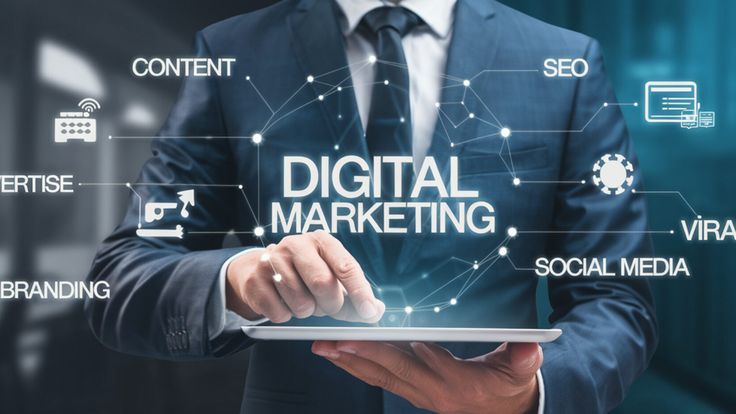
Digital marketing 2025: smart strategies for smart business The digital marketing world is evolving faster than ever. As we move into 2025, brands are no longer competing just on price or product quality — they are competing on digital intelligence, customer experience, and strategic innovation. The future of marketing is smart, data-driven, and deeply personalized. Businesses that adapt to this shift will not just survive but thrive in the digital-first economy.
The Shift Toward Smart Marketing
In 2025, marketing is no longer about broadcasting a message to the masses — it’s about creating meaningful connections powered by technology. Artificial Intelligence (AI), automation, and data analytics are reshaping how brands understand, reach, and engage with their audiences.
Key Transformations Driving Smart Marketing:
- AI-Powered Insights: AI tools analyze customer data in real time to predict behavior and optimize campaigns automatically.
- Personalization at Scale: Marketers can now deliver unique experiences to each user based on their interests, location, and purchase history.
- Voice and Visual Search: Consumers are searching with images and voice more than ever, changing how SEO and content marketing are executed.
- Omnichannel Presence: A consistent brand message across web, mobile, social, and even the metaverse is becoming essential.
1. Data-Driven Decision Making
Data has become the heart of digital marketing. In 2025, the focus is not just on collecting data — but on using it intelligently.
Smart Data Strategies Include:
- Predictive Analytics: Use machine learning to forecast customer trends and behavior.
- Customer Journey Mapping: Identify where your audience interacts with your brand and improve touchpoints.
- Performance Dashboards: Track every campaign in real-time to measure ROI effectively.
- Privacy-First Marketing: With new data protection laws, transparency and consent-based marketing are vital for trust.
Avoid “data overload.” Businesses often collect massive data without proper segmentation. Smart marketing uses relevant data, not just more data.
2. Automation: The Engine of Smart Business
Automation is transforming marketing operations by reducing manual tasks and improving precision. From email sequences to social media scheduling, automation ensures that your brand stays active, efficient, and responsive.
Examples of Automation in Action:
- Automated chatbots providing 24/7 customer support.
- Drip email campaigns triggered by user behavior.
- Smart bidding in Google Ads to maximize conversions.
- AI-generated reports for real-time campaign monitoring.
Benefits:
- Saves time and resources.
- Improves lead nurturing.
- Ensures consistent communication with customers.
Don’t rely solely on automation for creativity — the human touch still drives emotional connection and authenticity.
3. Content Intelligence and Smart Storytelling
Content remains king, but in 2025, intelligent content rules the digital kingdom. Smart marketers are blending creativity with data to craft content that not only informs but also converts.
Smart Content Marketing Strategies:
- AI-Generated Ideas: Use tools like ChatGPT or Jasper to brainstorm and refine content.
- Interactive Content: Quizzes, polls, and augmented reality experiences increase engagement.
- Voice-Optimized Content: As voice search grows, writing conversationally becomes crucial.
- Video and Micro-Content: Short videos and reels dominate attention spans.
Avoid overloading your content with keywords. Google’s AI algorithms now reward authenticity, value, and context over keyword stuffing.
4. The Rise of Predictive and Personalized Marketing
Personalization is no longer optional — it’s expected. Consumers in 2025 demand experiences tailored to their needs. Predictive marketing uses AI to anticipate what customers want before they even search for it.
Personalization Trends to Watch:
- Dynamic website content based on user behavior.
- Personalized product recommendations and offers.
- Hyper-local ads using location-based marketing.
- Customized email and SMS marketing for engagement.
Don’t cross privacy lines. Respecting user data boundaries ensures long-term brand loyalty.
5. Voice, Visual, and AI Search Optimization
Search marketing is undergoing a major revolution. Voice and visual search technologies are transforming SEO strategies. Brands that optimize for these emerging trends will gain a significant competitive edge.
Smart SEO Strategies for 2025:
- Optimize for natural language queries to match voice searches.
- Include image alt tags and visual keywords for visual SEO.
- Use AI SEO tools to analyze and improve rankings automatically.
- Focus on E-E-A-T (Experience, Expertise, Authority, Trustworthiness) for credibility.
Avoid ignoring mobile optimization — most voice searches happen on mobile devices.
6. Influencer and Community-Led Marketing
In 2025, authentic influence outshines traditional advertising. Micro and nano influencers are delivering stronger engagement than big celebrity campaigns because of their community trust.
Smart Influencer Strategies:
- Partner with creators who align with your brand values.
- Encourage user-generated content (UGC).
- Build online communities around your niche.
- Use analytics tools to measure influencer ROI.
Don’t focus only on follower count — prioritize engagement rate and audience relevance.
7. Sustainability and Purpose-Driven Branding
Consumers are becoming conscious of what brands stand for. Sustainable, ethical, and socially responsible marketing is shaping the digital future. A brand that stands for a cause builds deeper loyalty.
Smart Purpose-Driven Approaches:
- Highlight eco-friendly practices in marketing campaigns.
- Support social causes that align with your audience’s values.
- Be transparent in your operations and supply chain.
Avoid performative “greenwashing.” Authenticity and real action matter more than slogans.
8. The Future is Hybrid and Human-Centered
Despite the rise of AI and automation, the human element remains irreplaceable. The smartest businesses of 2025 will use technology to enhance human creativity, not replace it. Building relationships, storytelling, and emotional engagement will continue to drive conversions.
Key Focus Areas:
- Blend technology with empathy.
- Train teams in digital skills and emotional intelligence.
- Prioritize customer satisfaction over short-term sales.
Conclusion: Smarter Strategies, Smarter Business
Digital Marketing 2025 is not about doing more — it’s about doing better. Smart strategies focus on automation, personalization, data intelligence, and authenticity. Businesses that embrace these technologies will not only improve efficiency but also deepen their connection with custThe future of marketing belongs to brands that are adaptive, insightful, and human-driven — those that understand that behind every click is a person, and behind every algorithm is an opportunity to make an impact.